
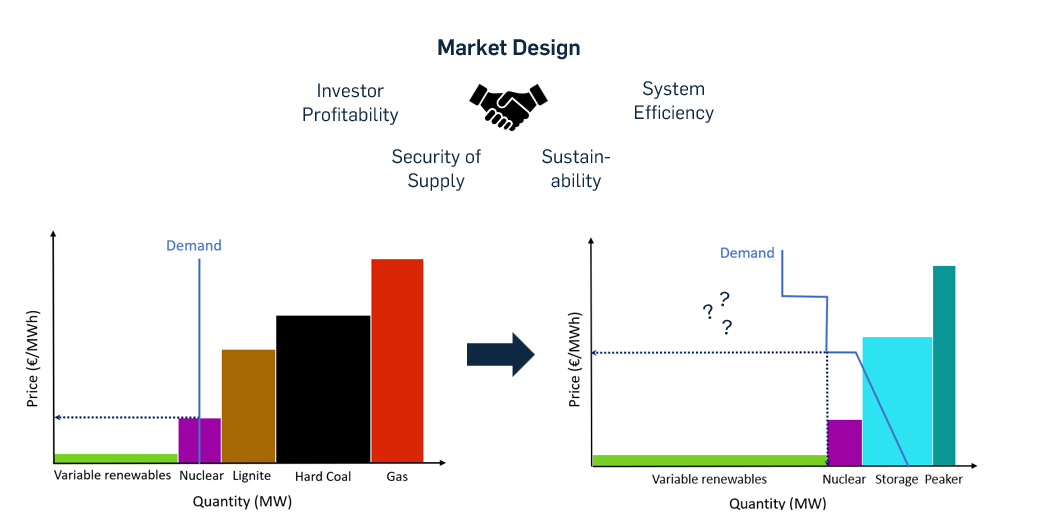
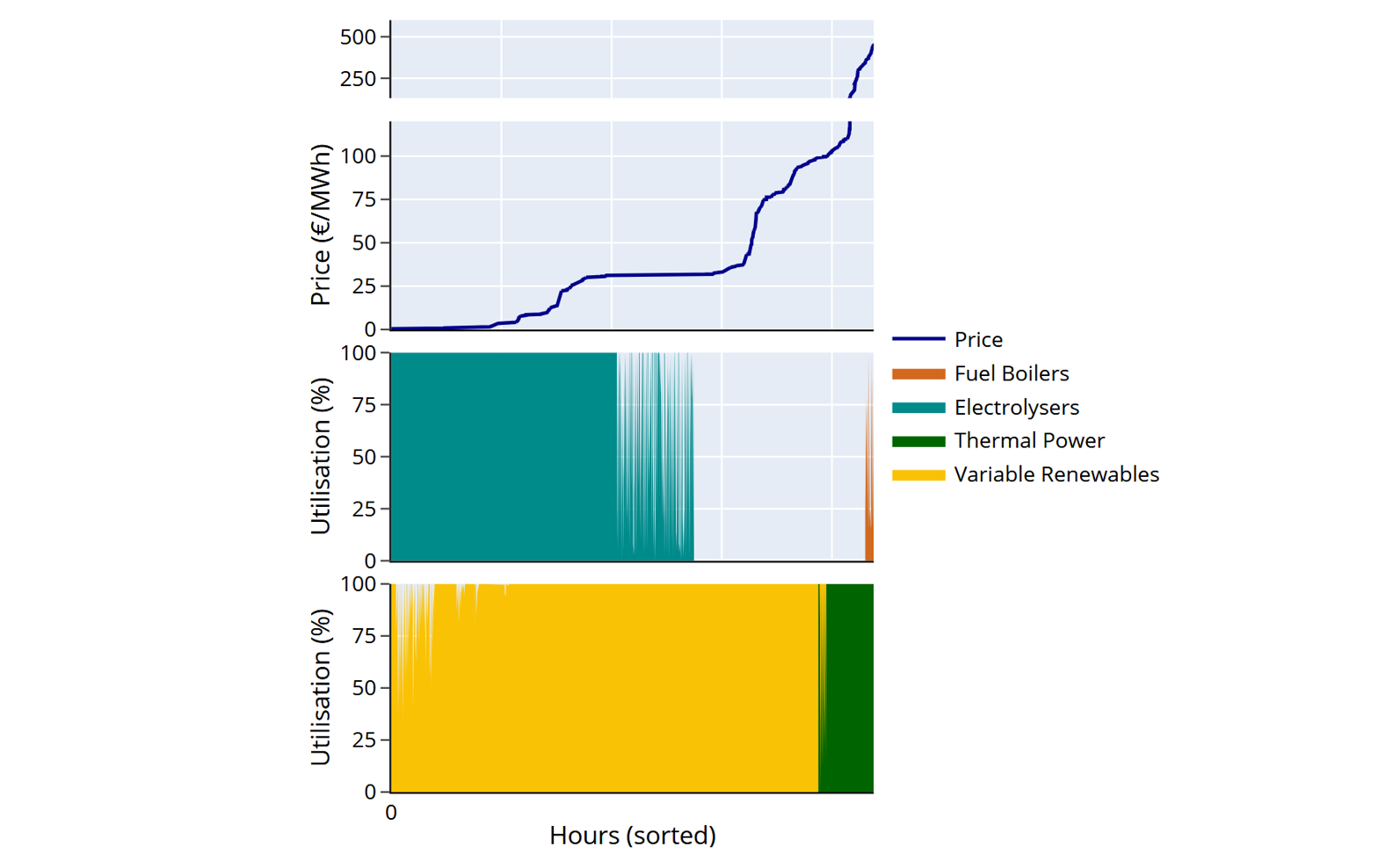
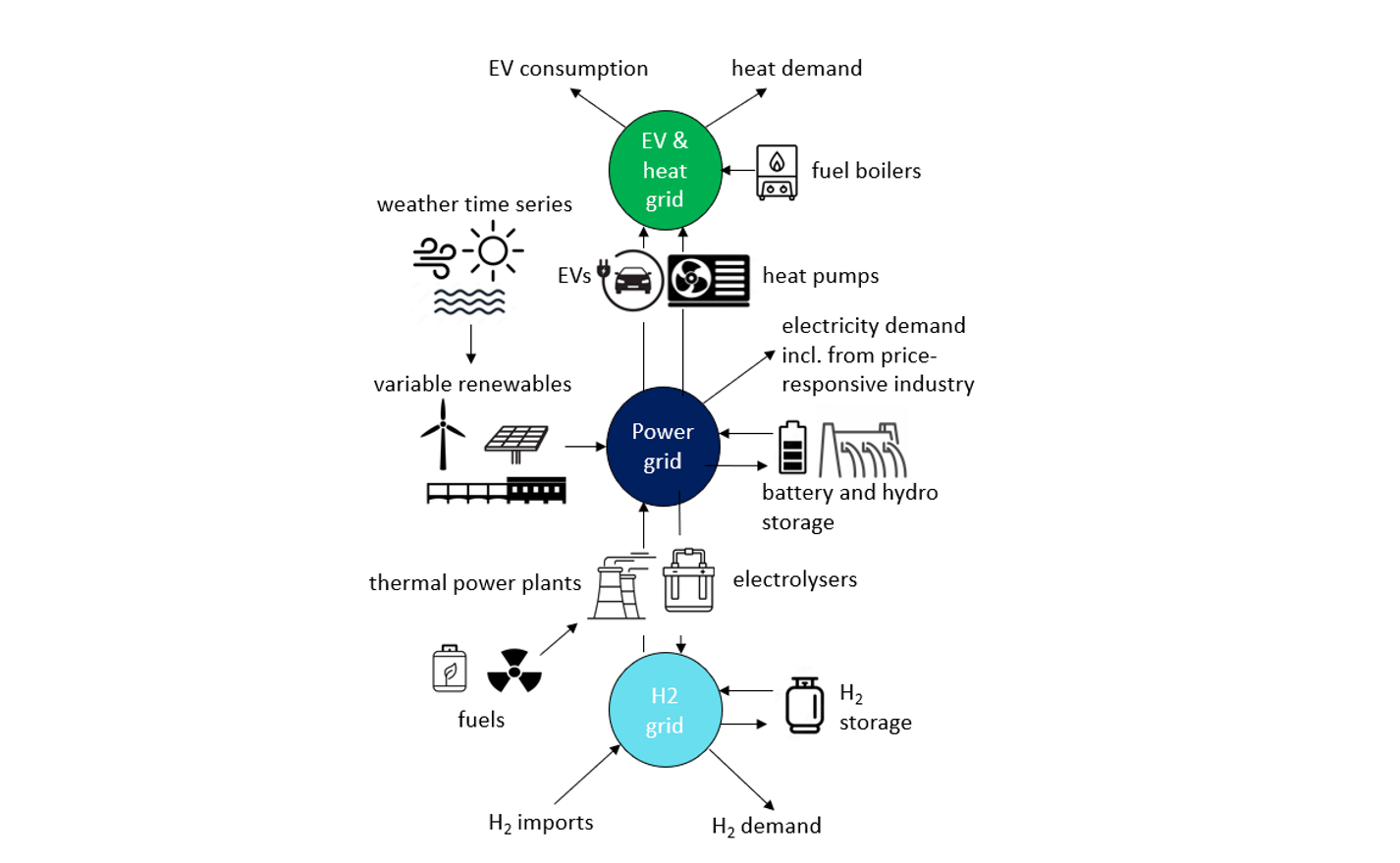
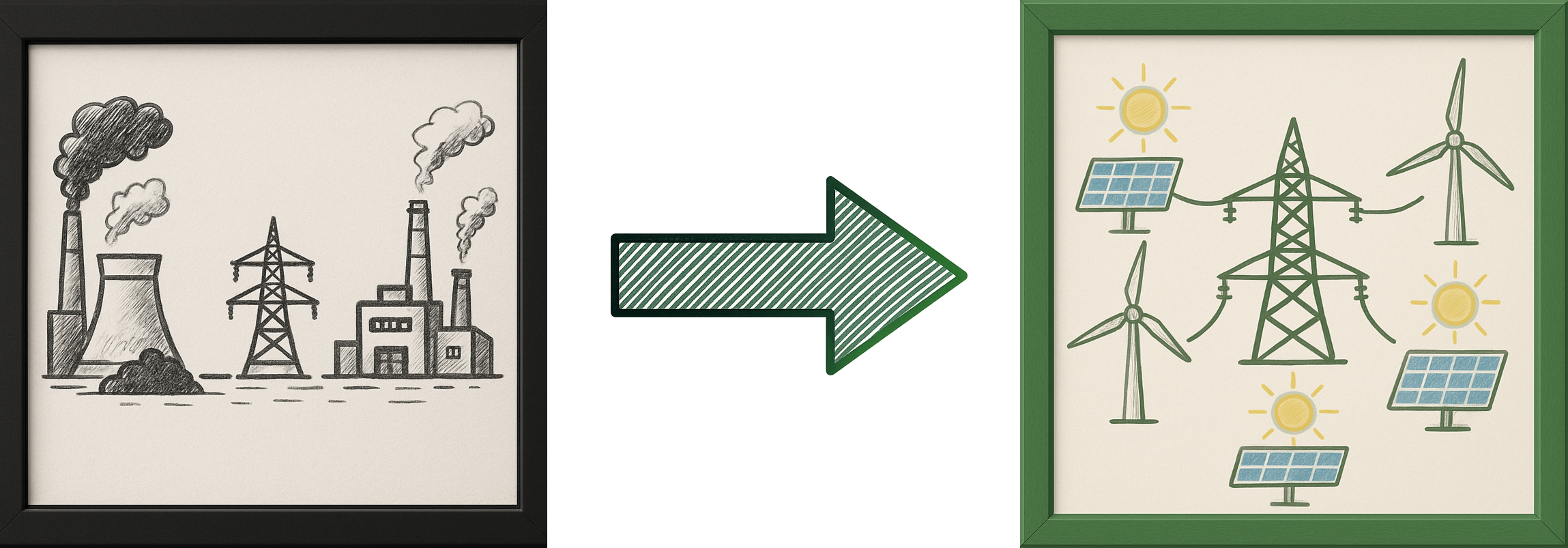
The transition to a climate-neutral energy system requires substantial investments in clean energy technologies. Achieving this objective depends on an energy market design that provides efficient investment incentives for both the demand- and supply-side while accounting for evolving framework conditions. Electricity markets, in particular, are undergoing profound structural changes as part of the energy transition: on the supply side, generation is shifting from dispatchable thermal power plants to weather-dependent renewable energy sources, while on the demand side, sector coupling is driving both increased demand and greater flexibility.
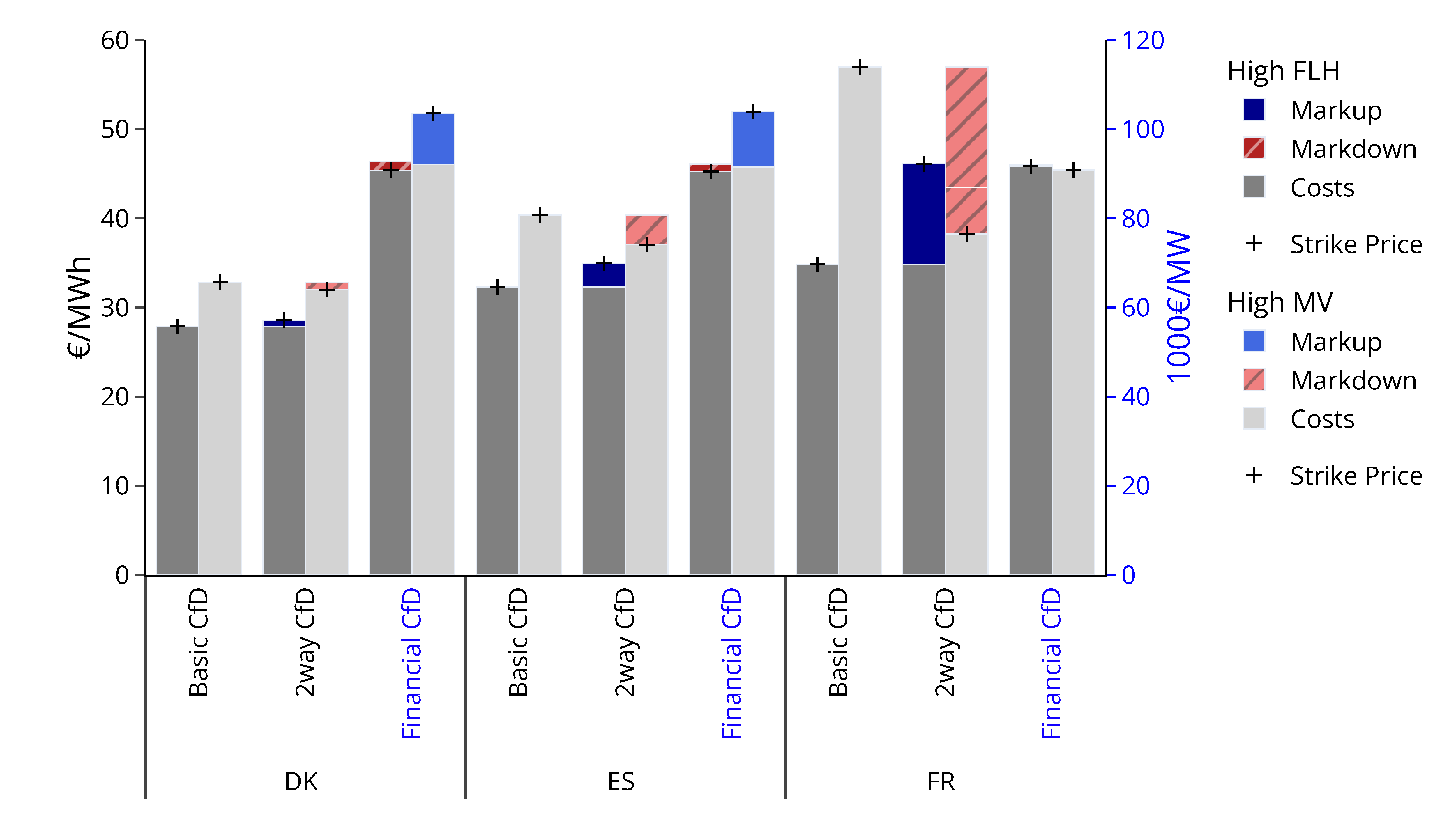
These developments are accompanied by technological, meteorological, and regulatory uncertainties, exposing investors and energy consumers to heightened price and volume risks. The Energy Market Design Group therefore focuses on analyzing and quantifying these uncertainties by combining methods from energy system modeling, empirical research, and theoretical industrial organization.
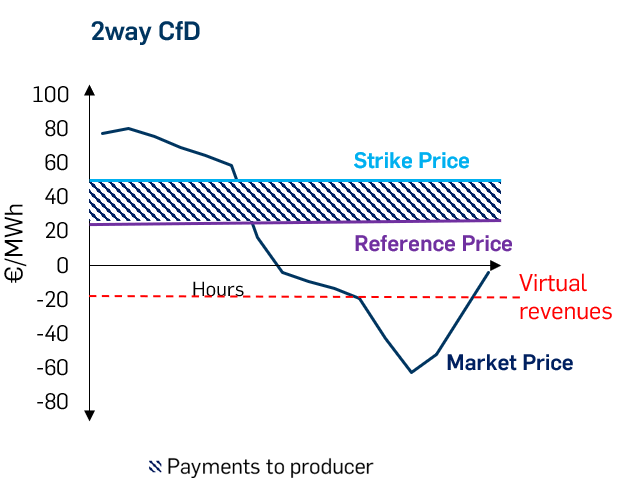
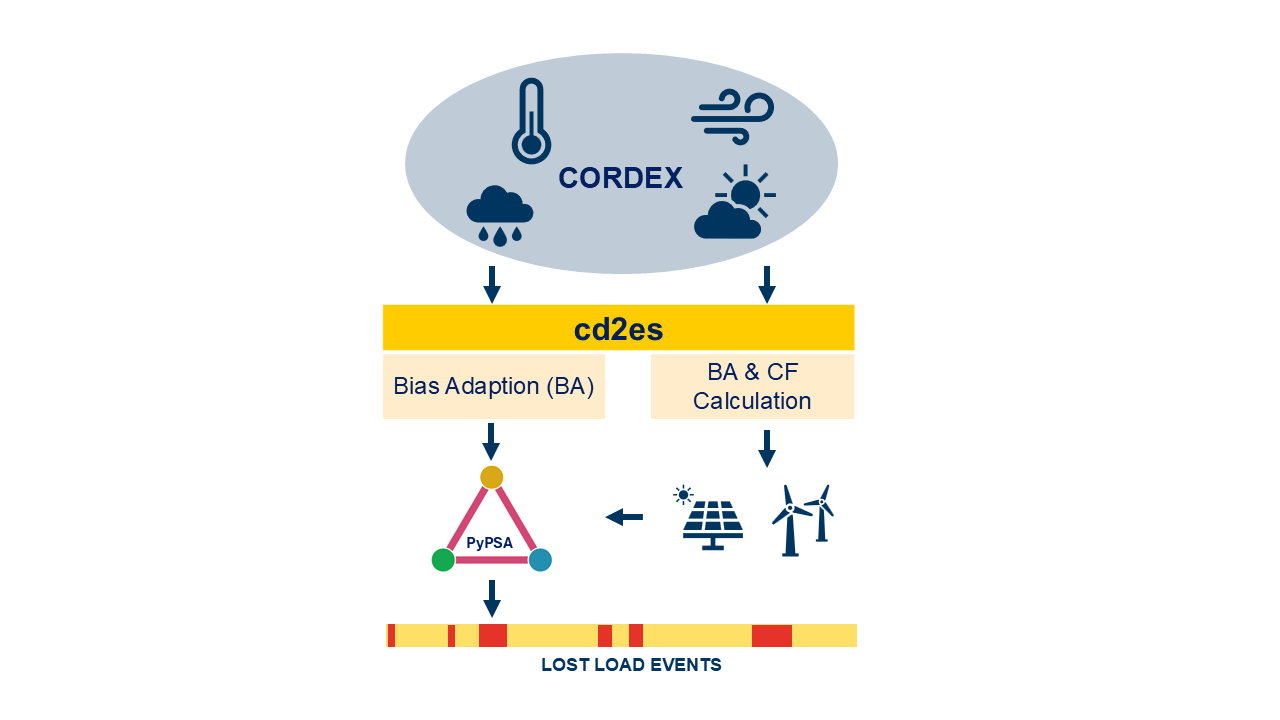
A particular emphasis is placed on the impacts of climate change on the energy system, as well as on the effects of increasing decentralization, sector coupling, and regulatory uncertainty on electricity markets. Building on this, the group investigates implications for a future-oriented energy market design and develops suitable instruments for risk mitigation. Key research areas include, among others, different designs of tariffs for energy consumers, Contracts for Difference for renewable energy, and capacity mechanisms and other measures to ensure security of supply.
1 / 8
2 / 8
3 / 8
4 / 8
5 / 8
6 / 8
7 / 8
8 / 8
Copyright © EE 2026
Last update: Mar 20, 2026

